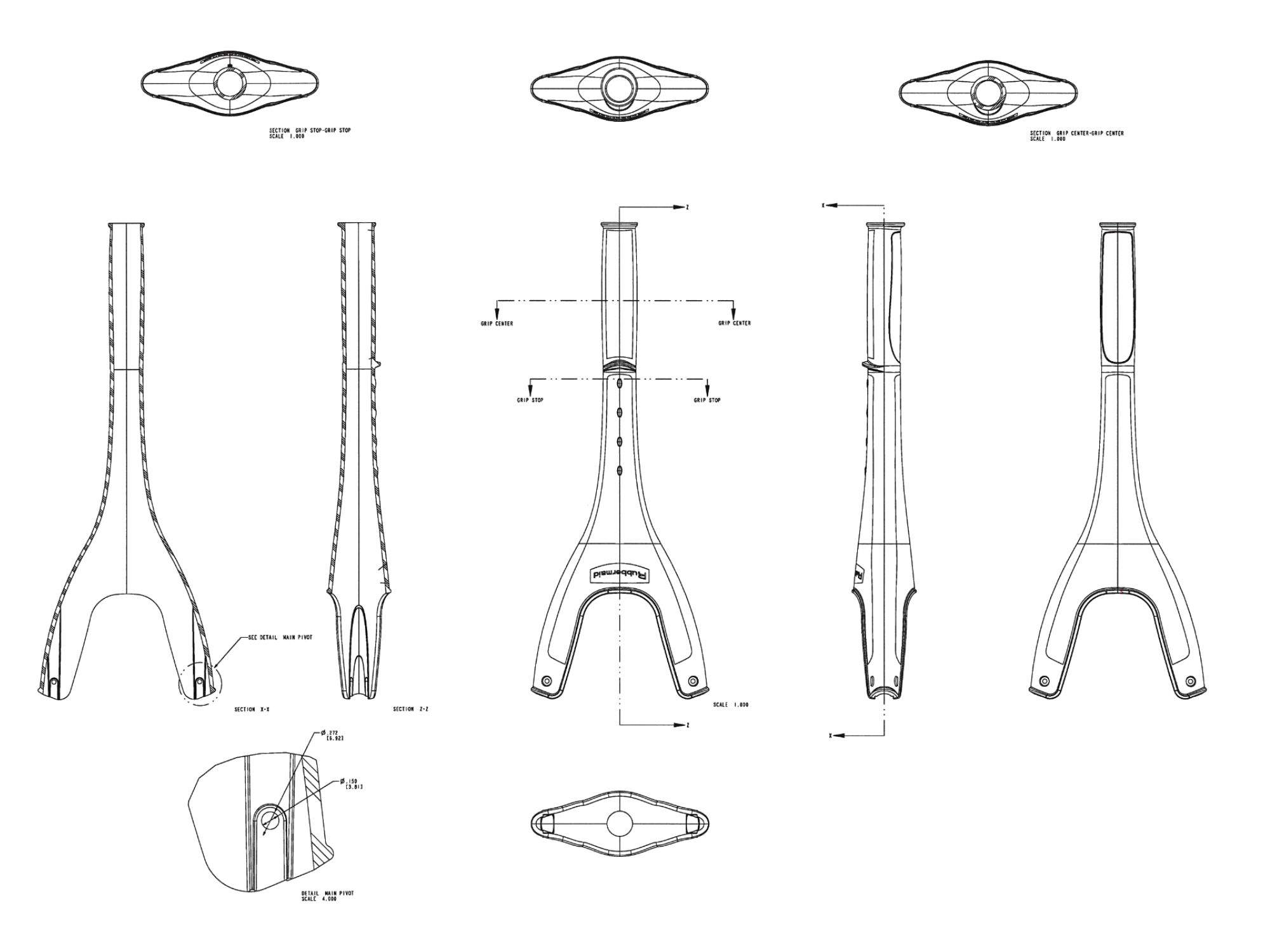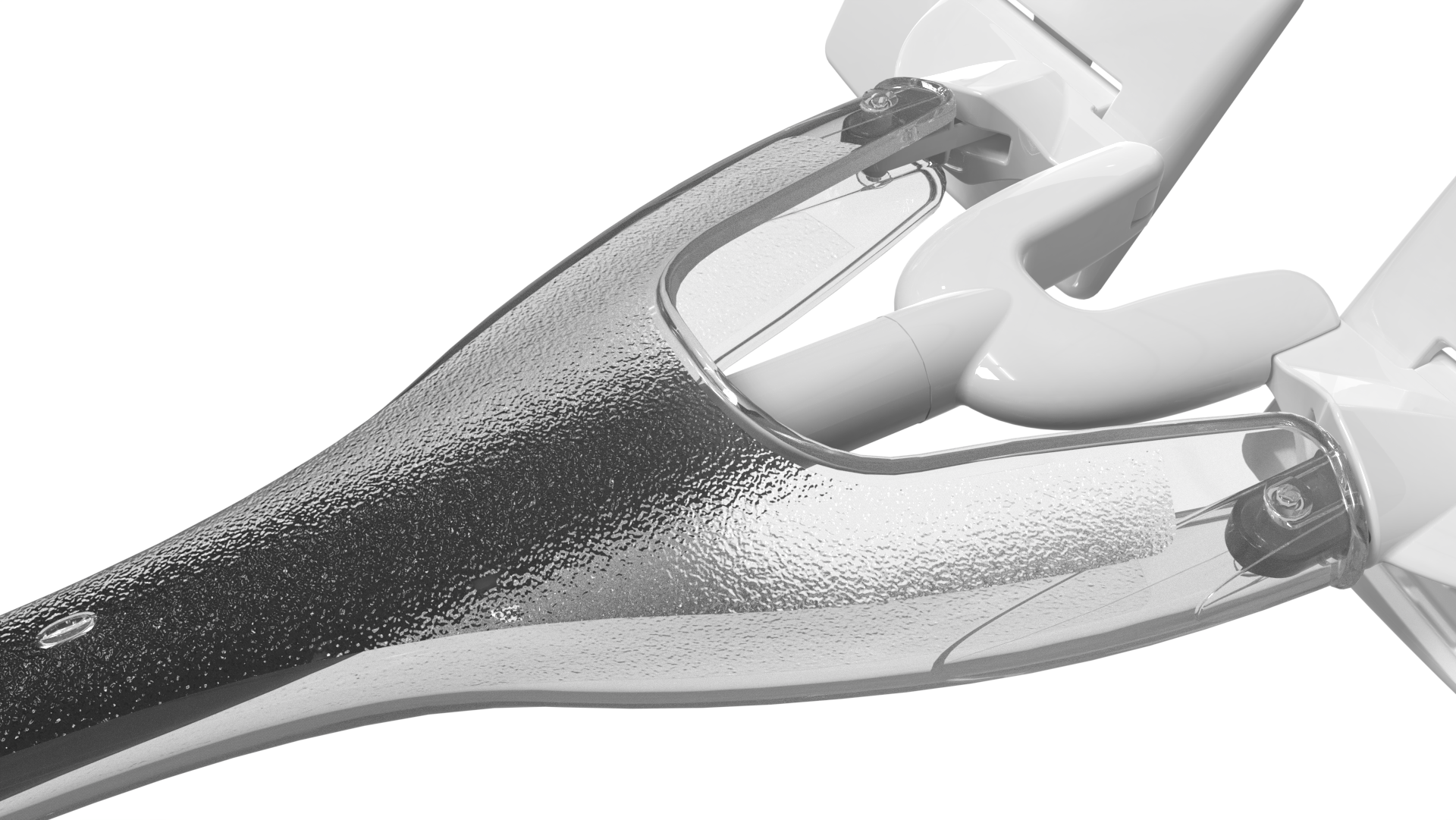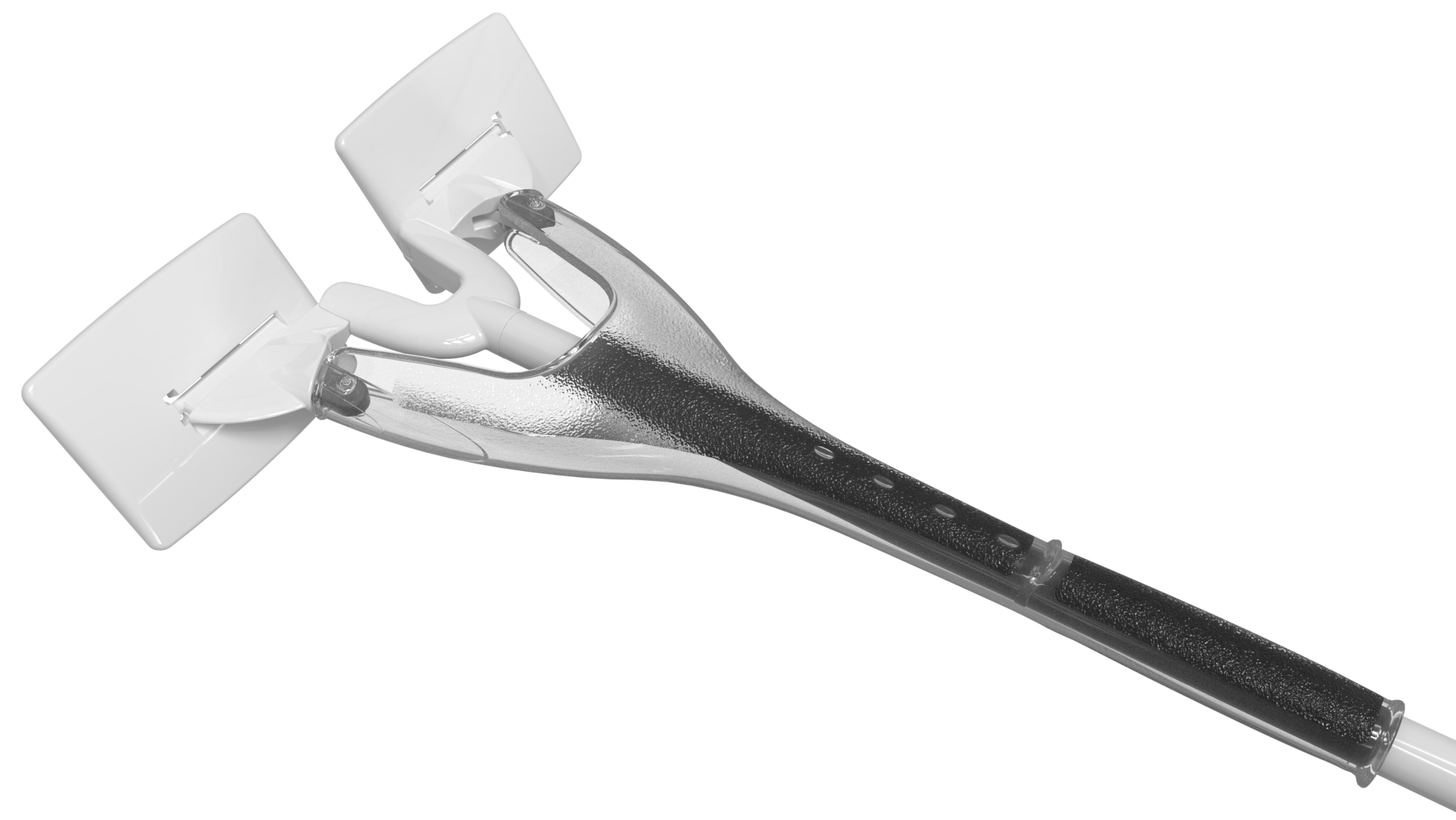
Rubbermaid Articulated Butterfly Mop
Industrial design and mechanical engineering work on the project.
Industrial design and mechanical engineering work on the project.
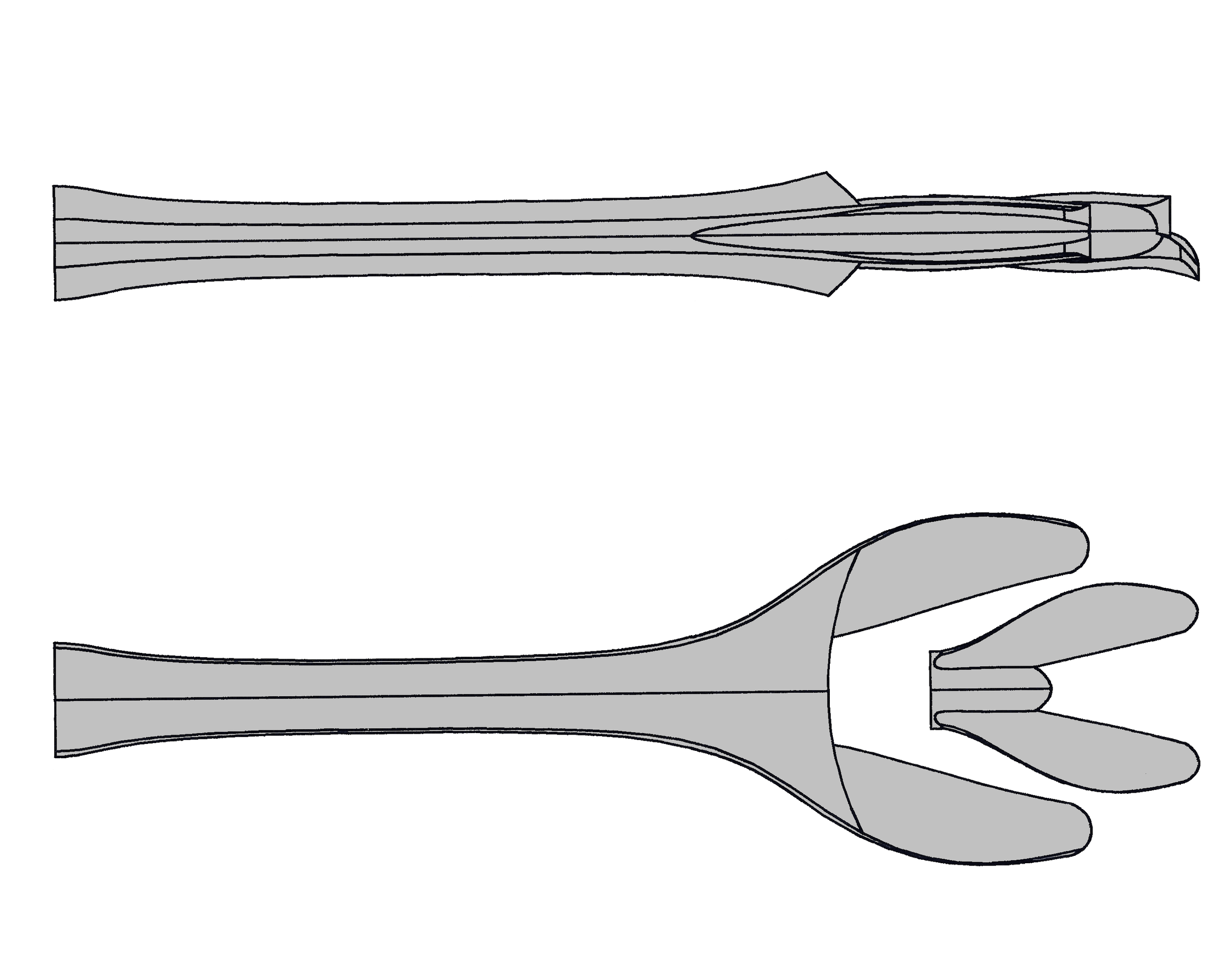
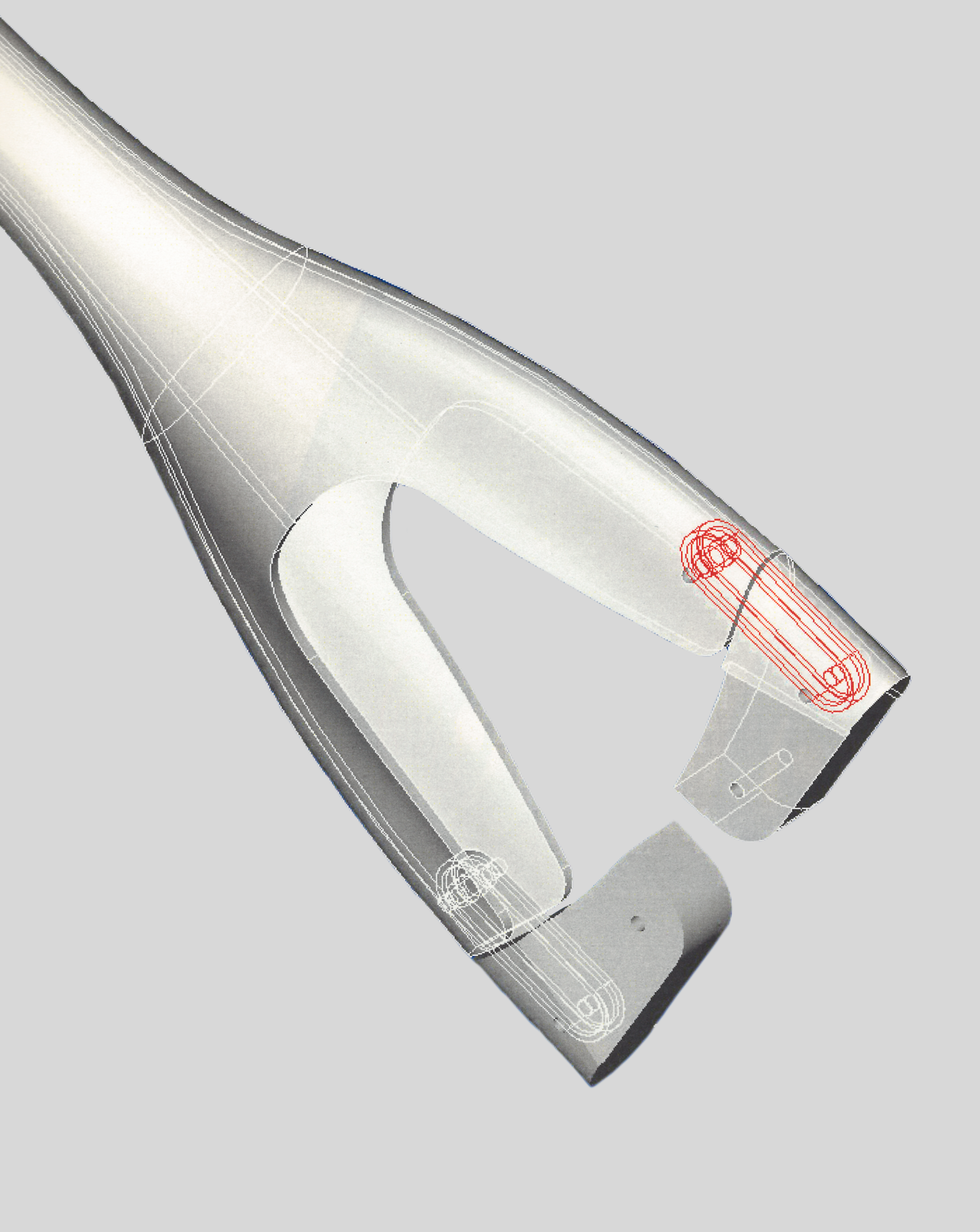
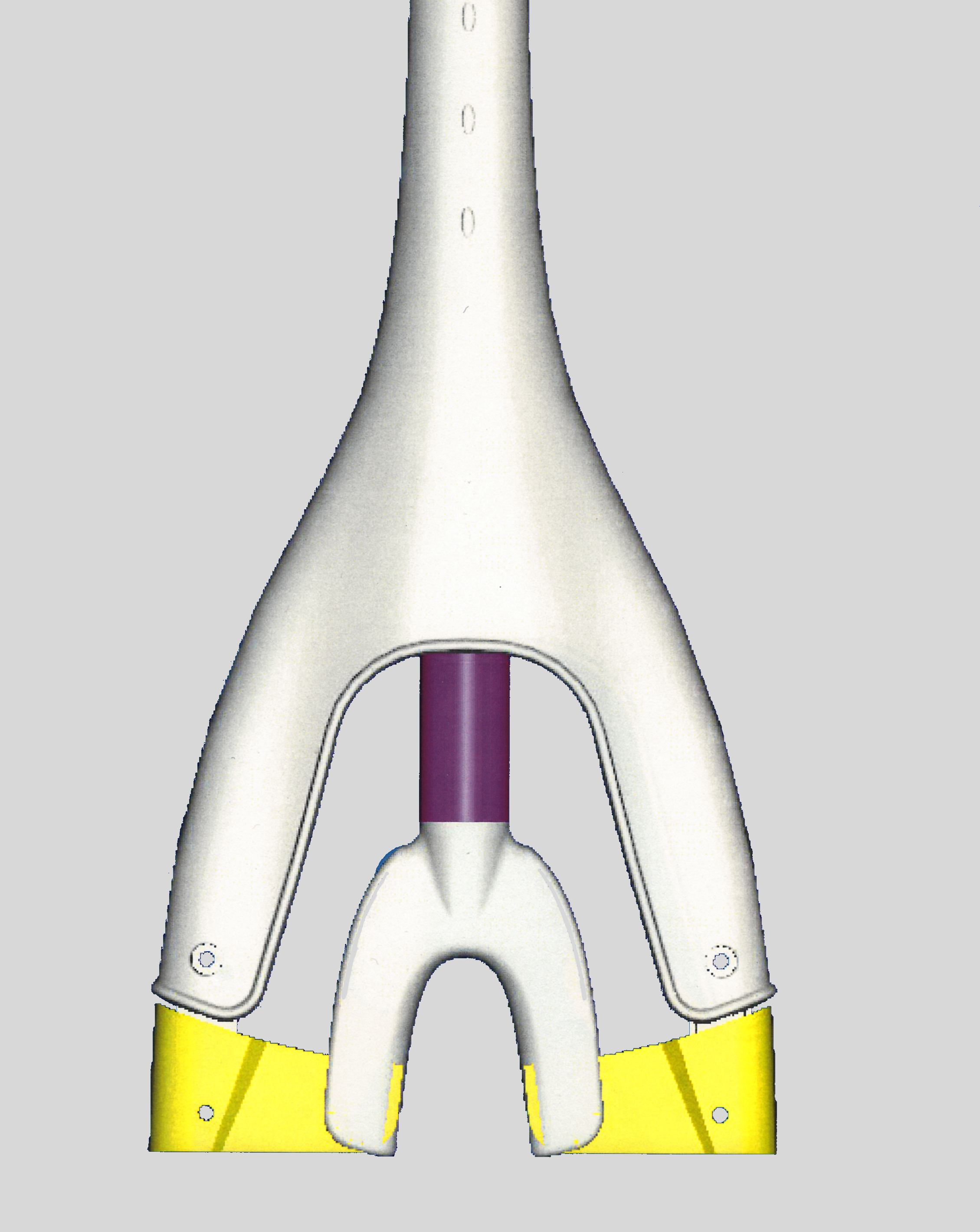
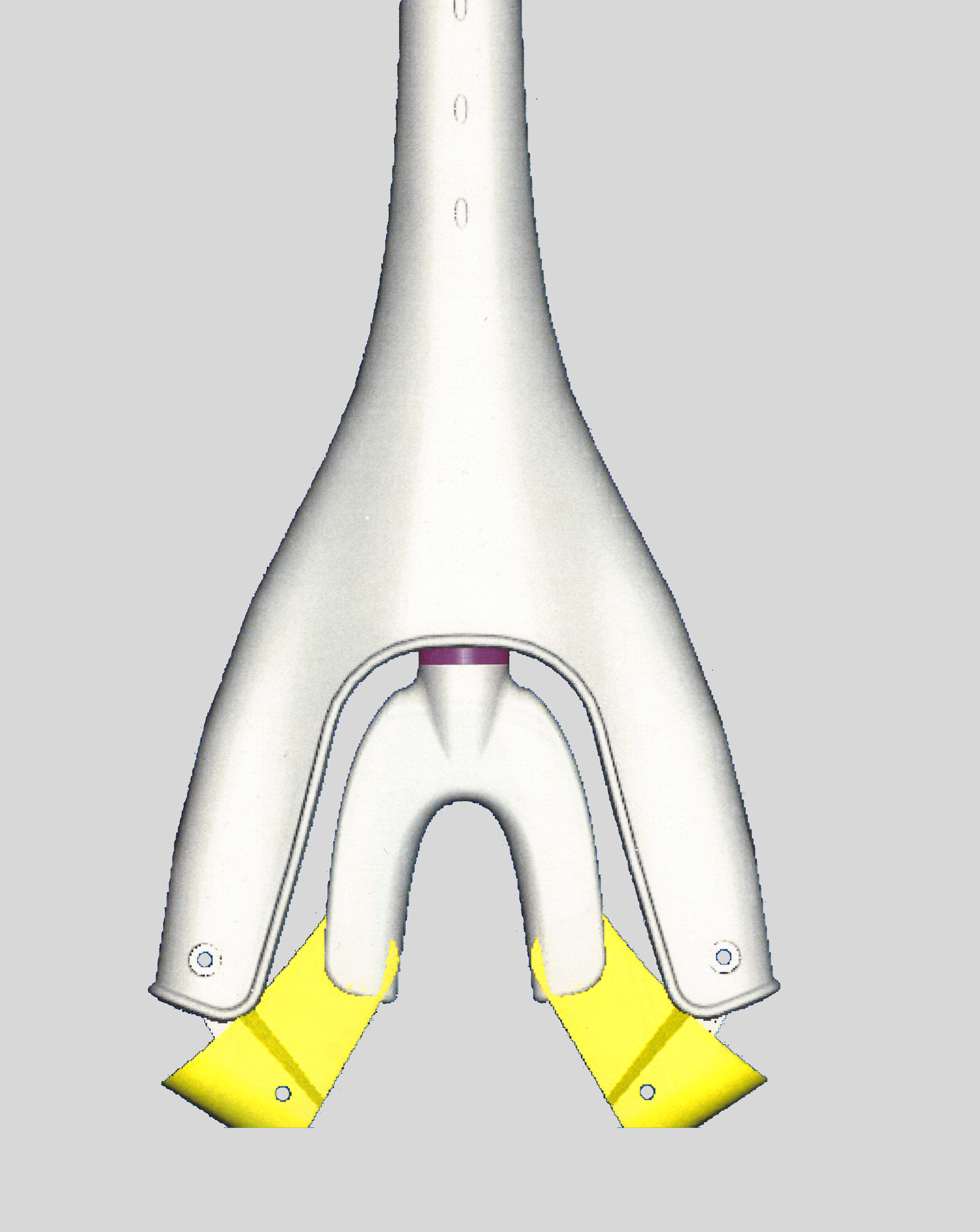
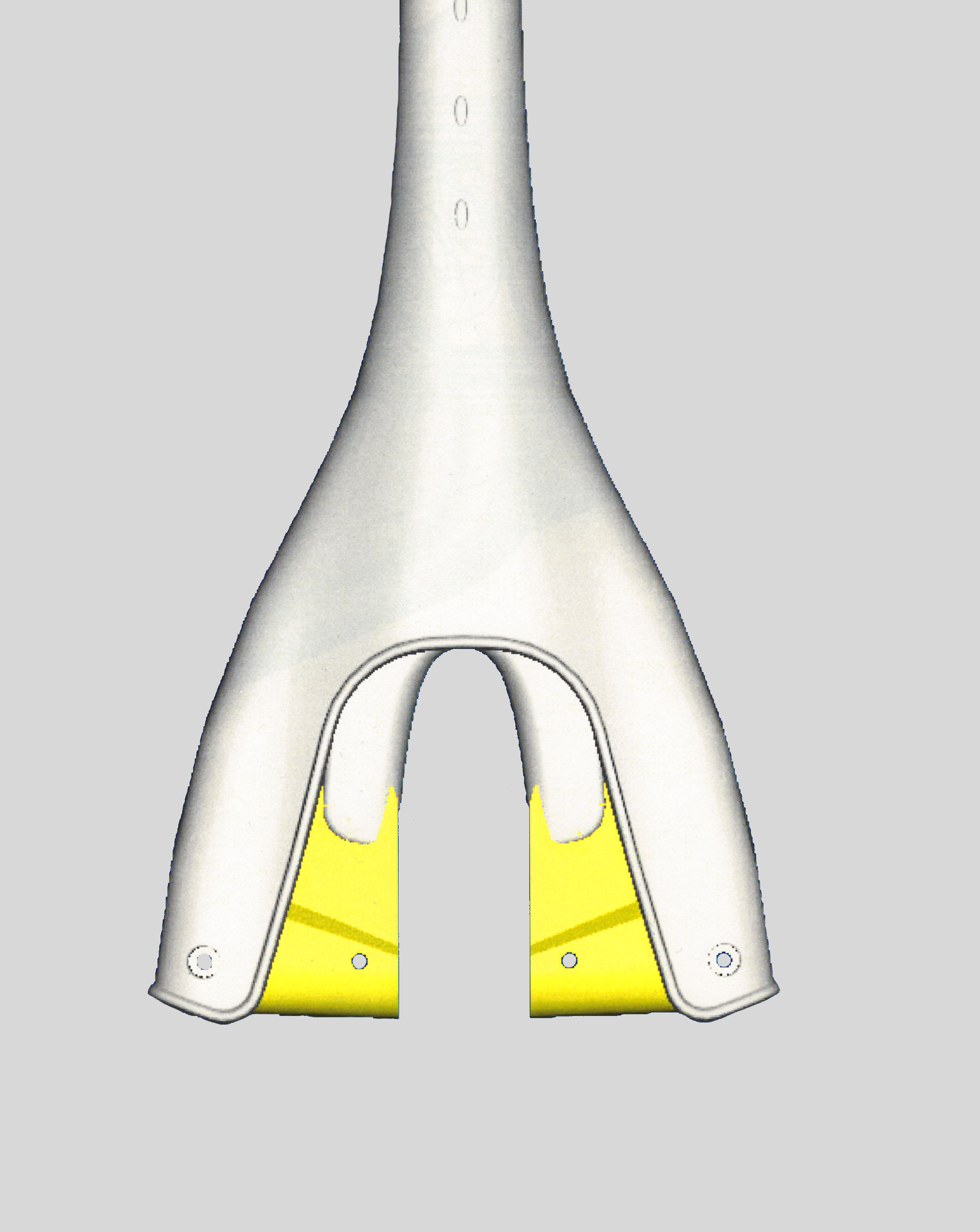
The images above are orthographic images of a prior, separate industrial design effort rejected by the company’s tooling engineers.
The subsequent challenge, given that much of the research had already been completed, was to take the same basic idea for an articulated mop - derived from a German mop design - and improve the design such that it would be more suitable for manufacturing while being equally user friendly. And meet the same deadline as the previous industrial design effort.
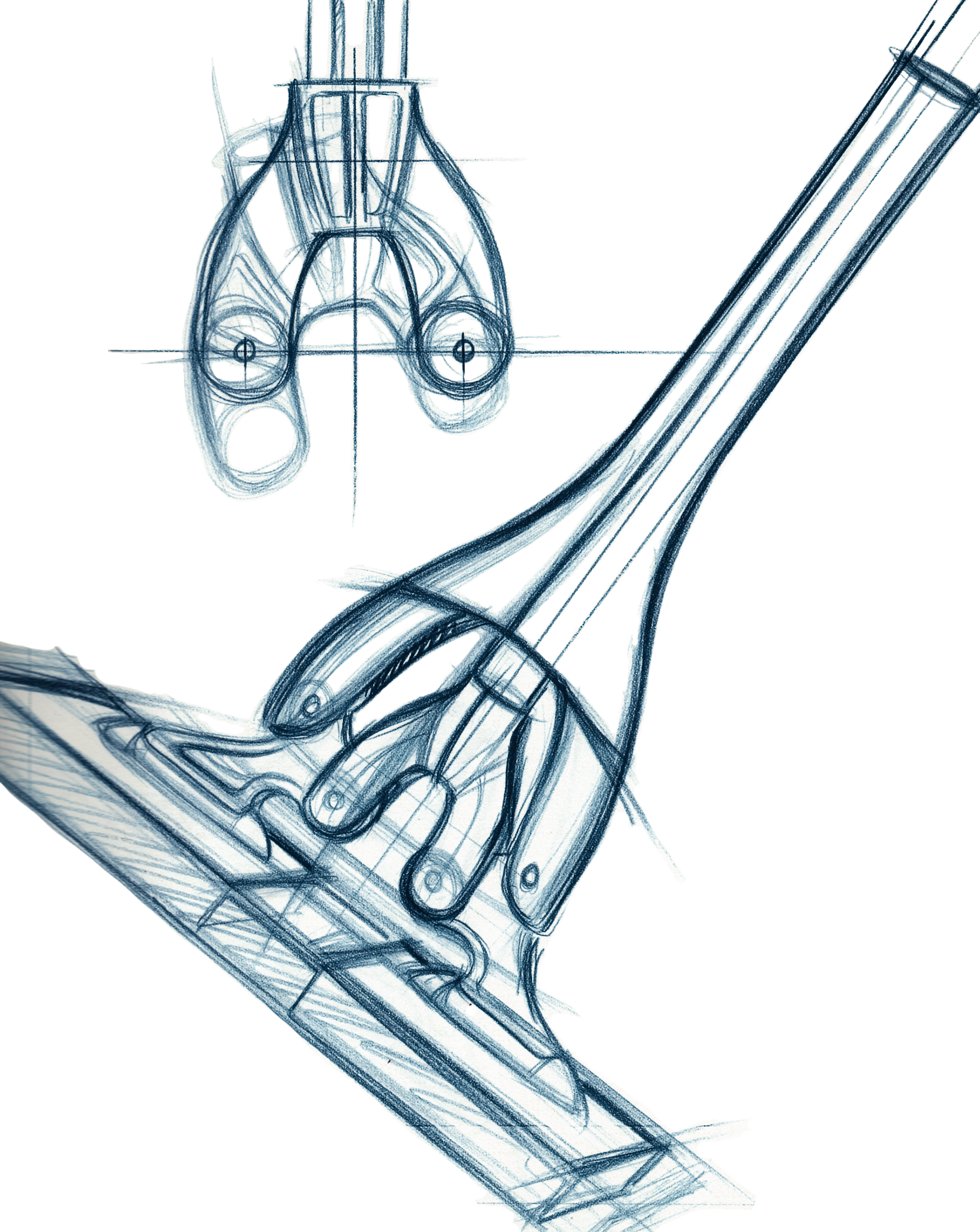
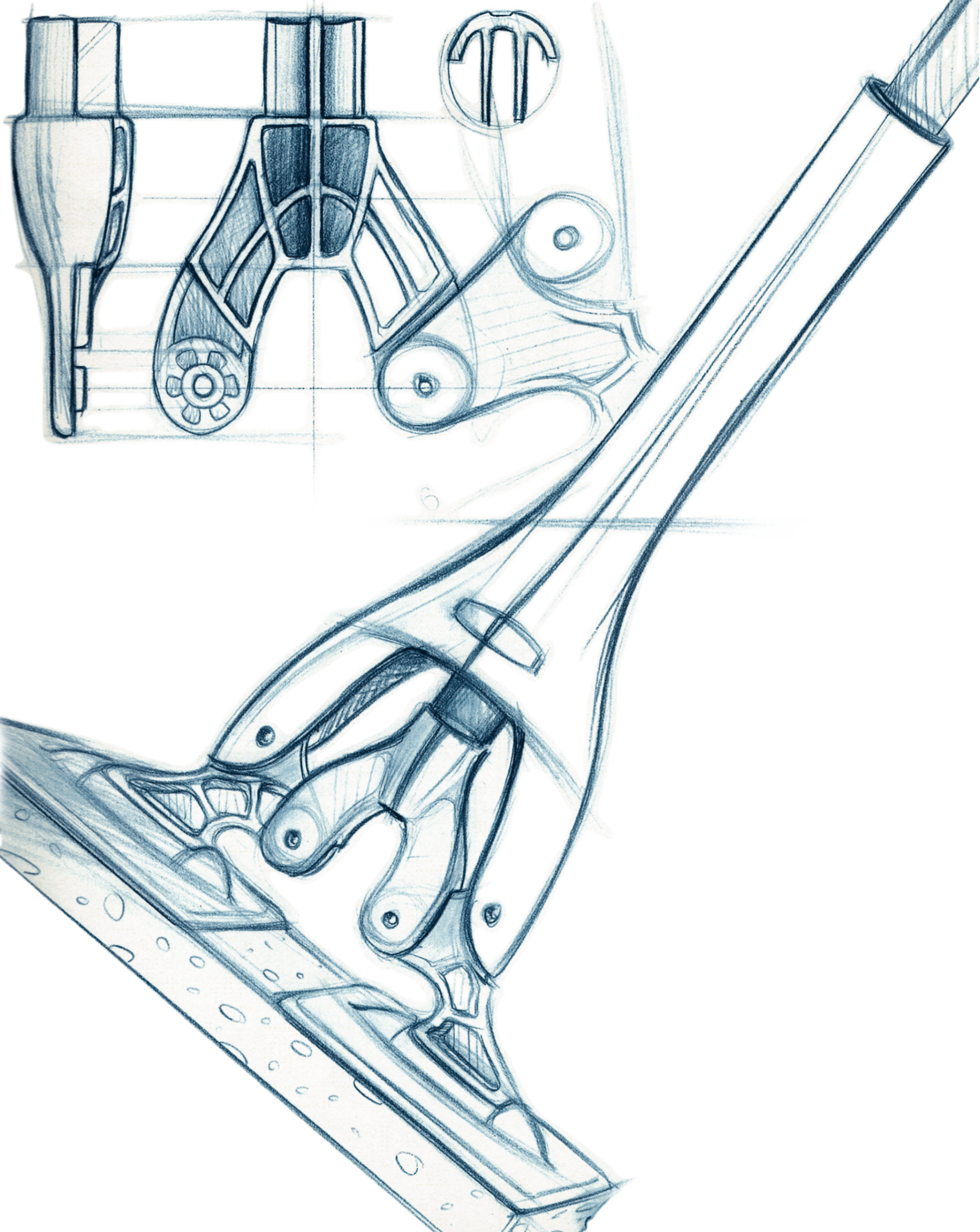
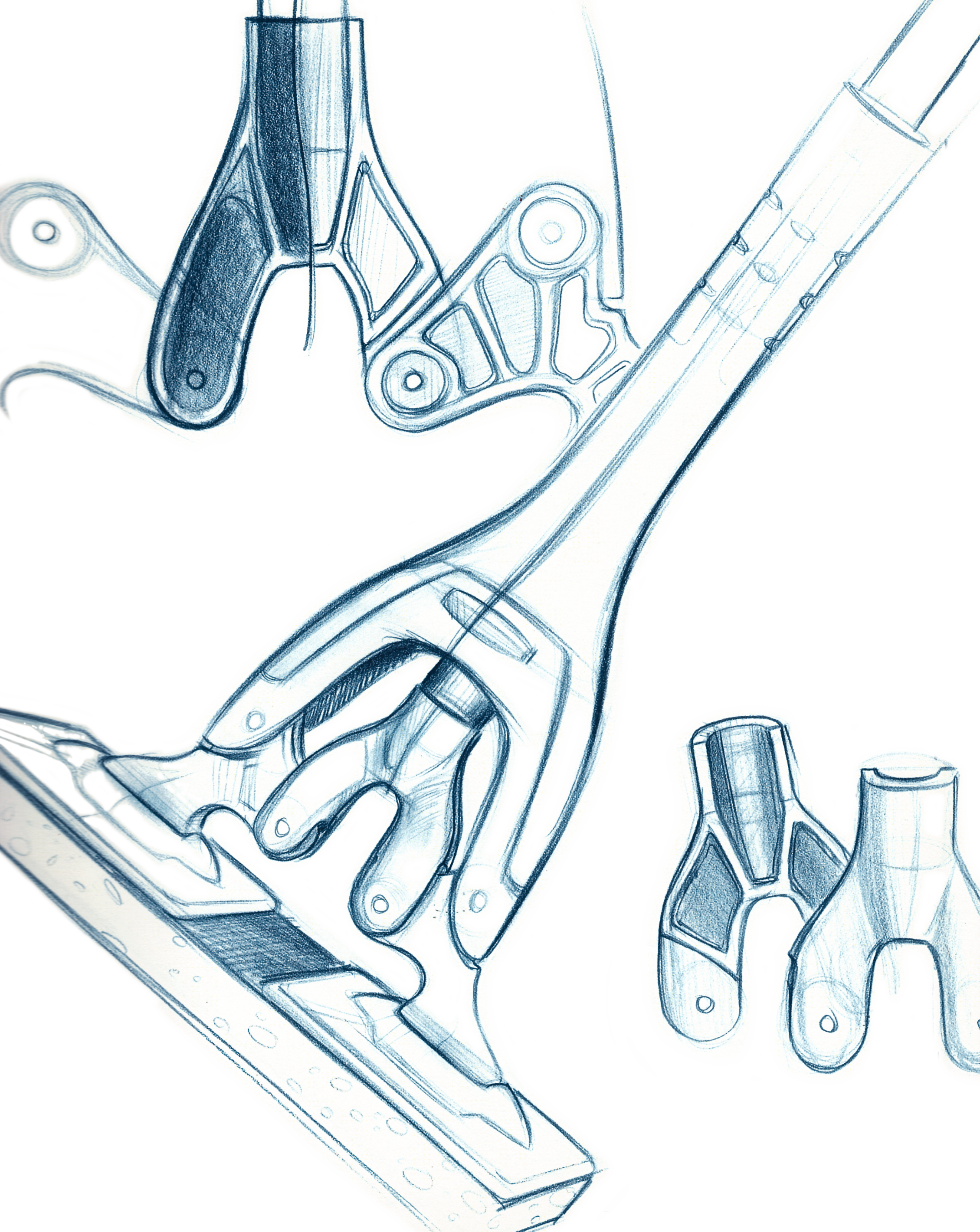
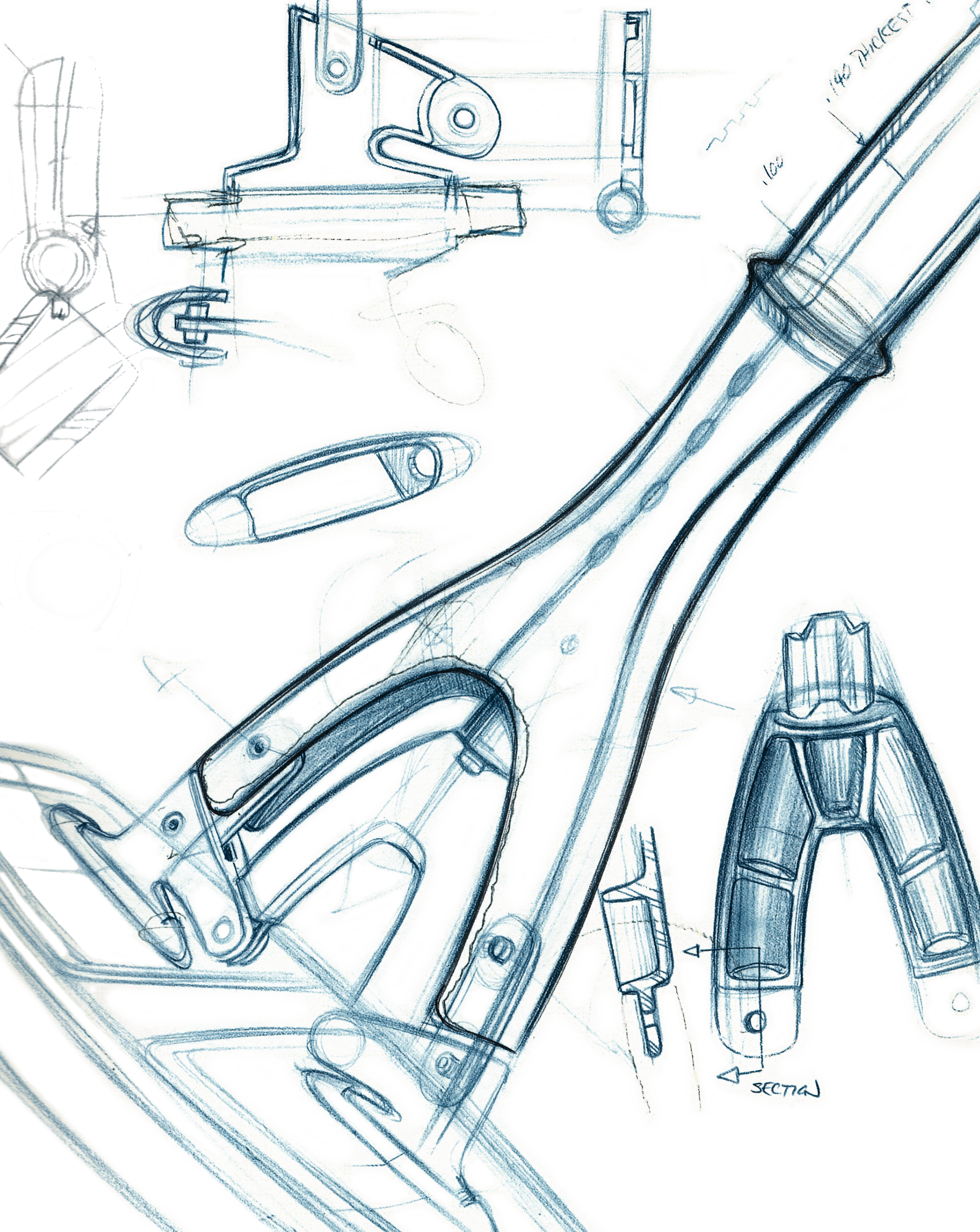
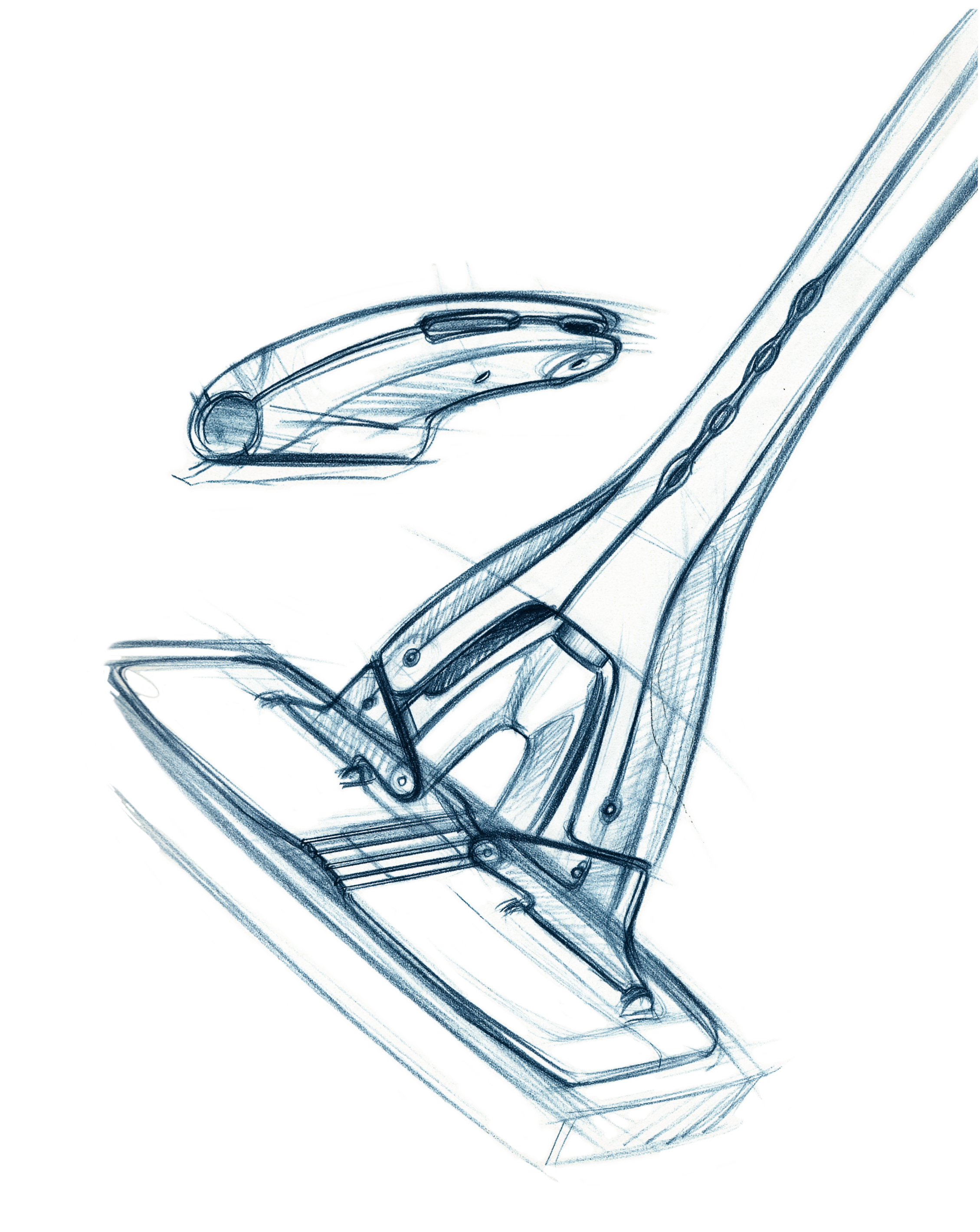
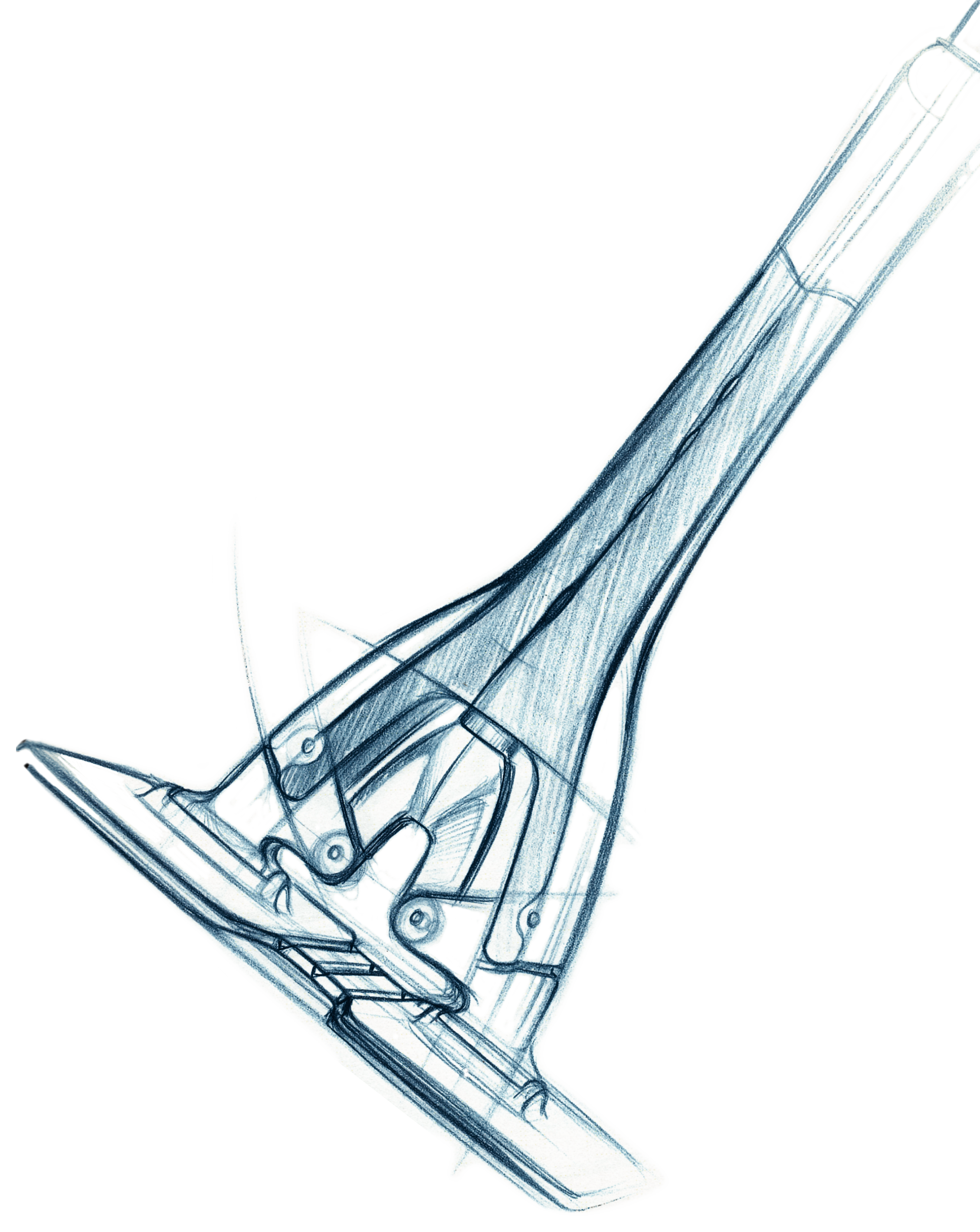
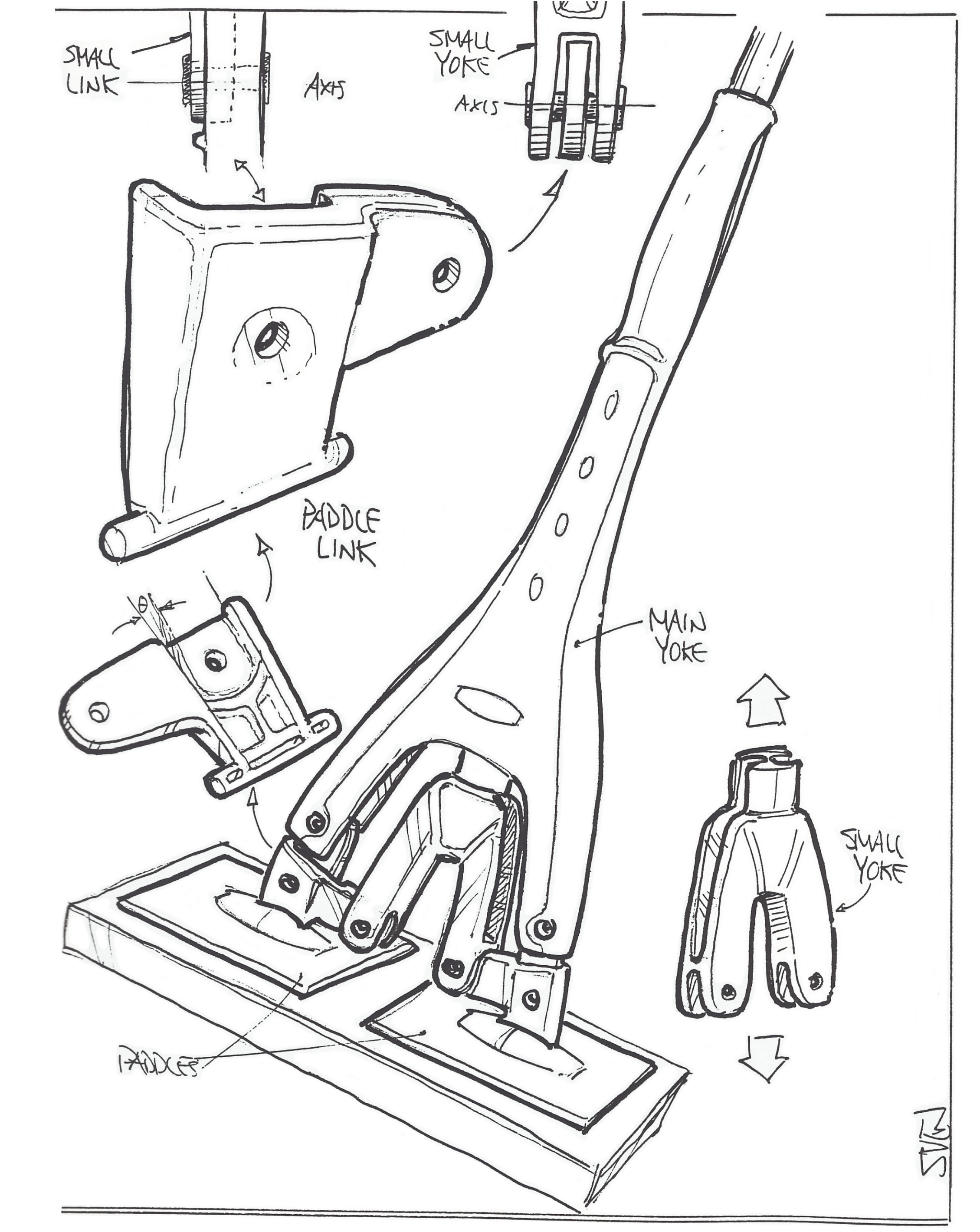
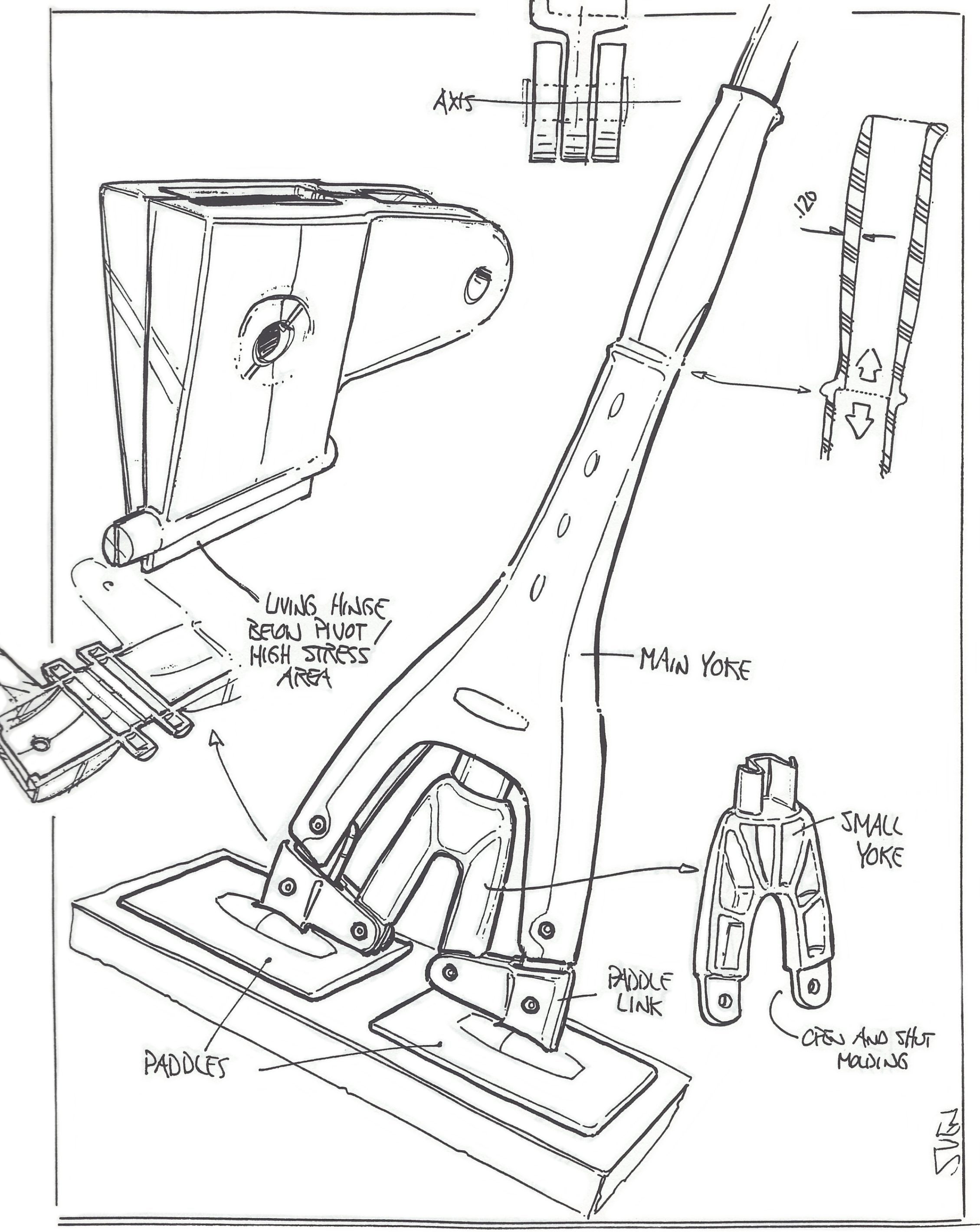
Industrial Design Sketches
With almost all the product’s constraints already set from the previous development effort, early conceptual sketching gave way to what would traditionally be refined concept sketches where the focus is less on aesthetics and more on production; in this case, efficient and inexpensive tooling to minimize capital investment.
Industrial Design CAD
Unlike the previous industrial design effort, tooling engineers were included in early stage sketch reviews. Their input was vital to ensuring the program was on track while also providing the feedback necessary to ensure the product’s brand language wasn’t compromised.
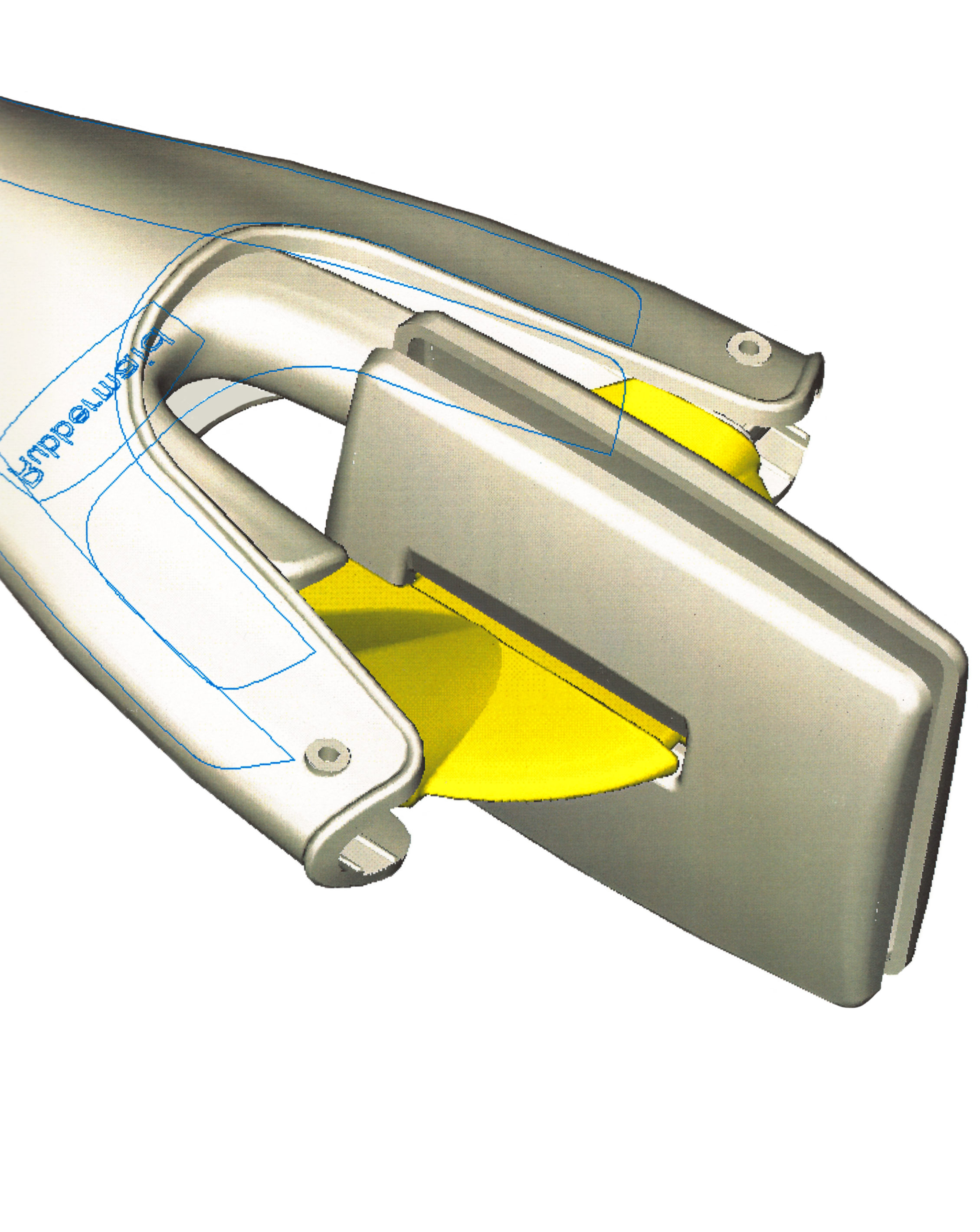
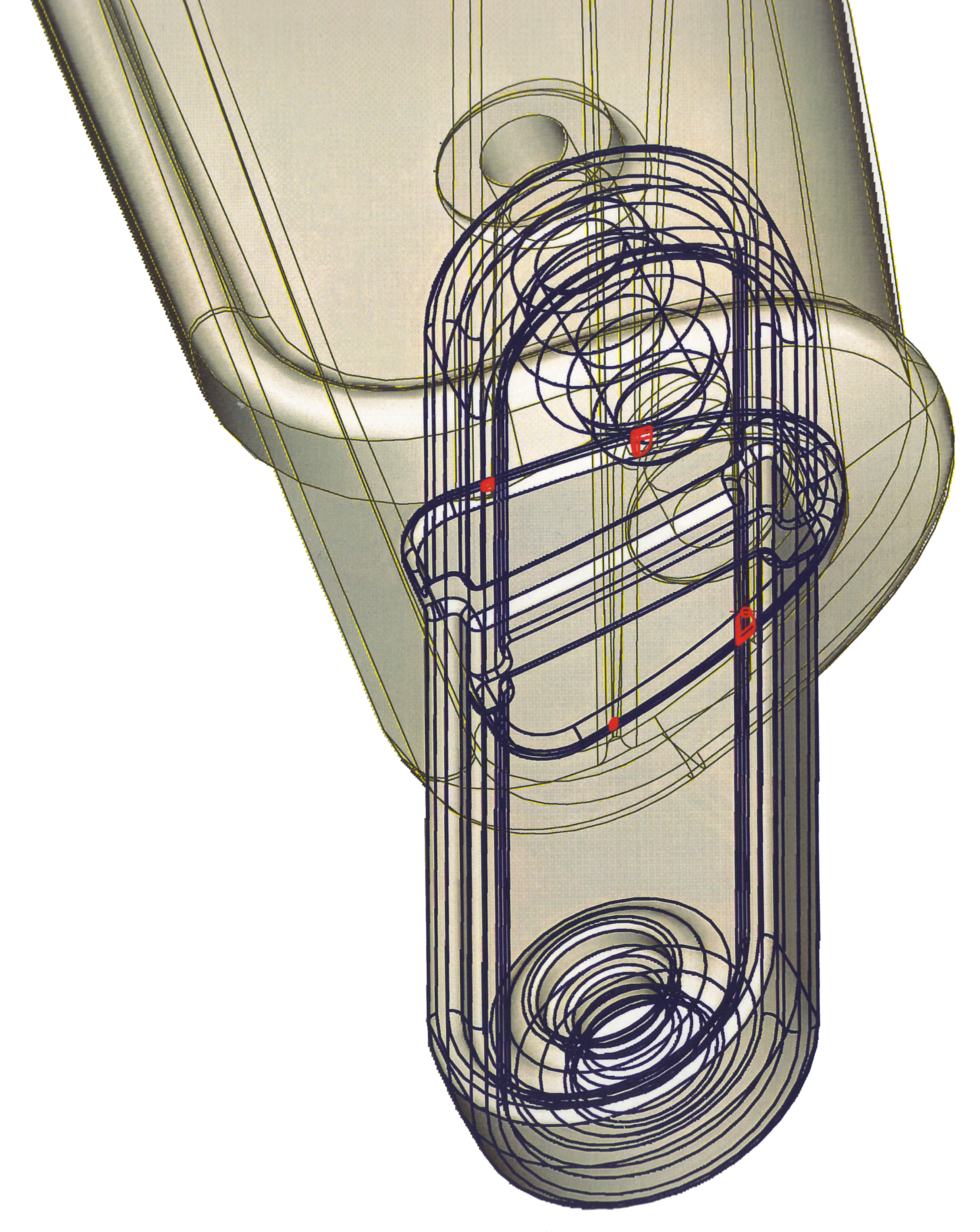
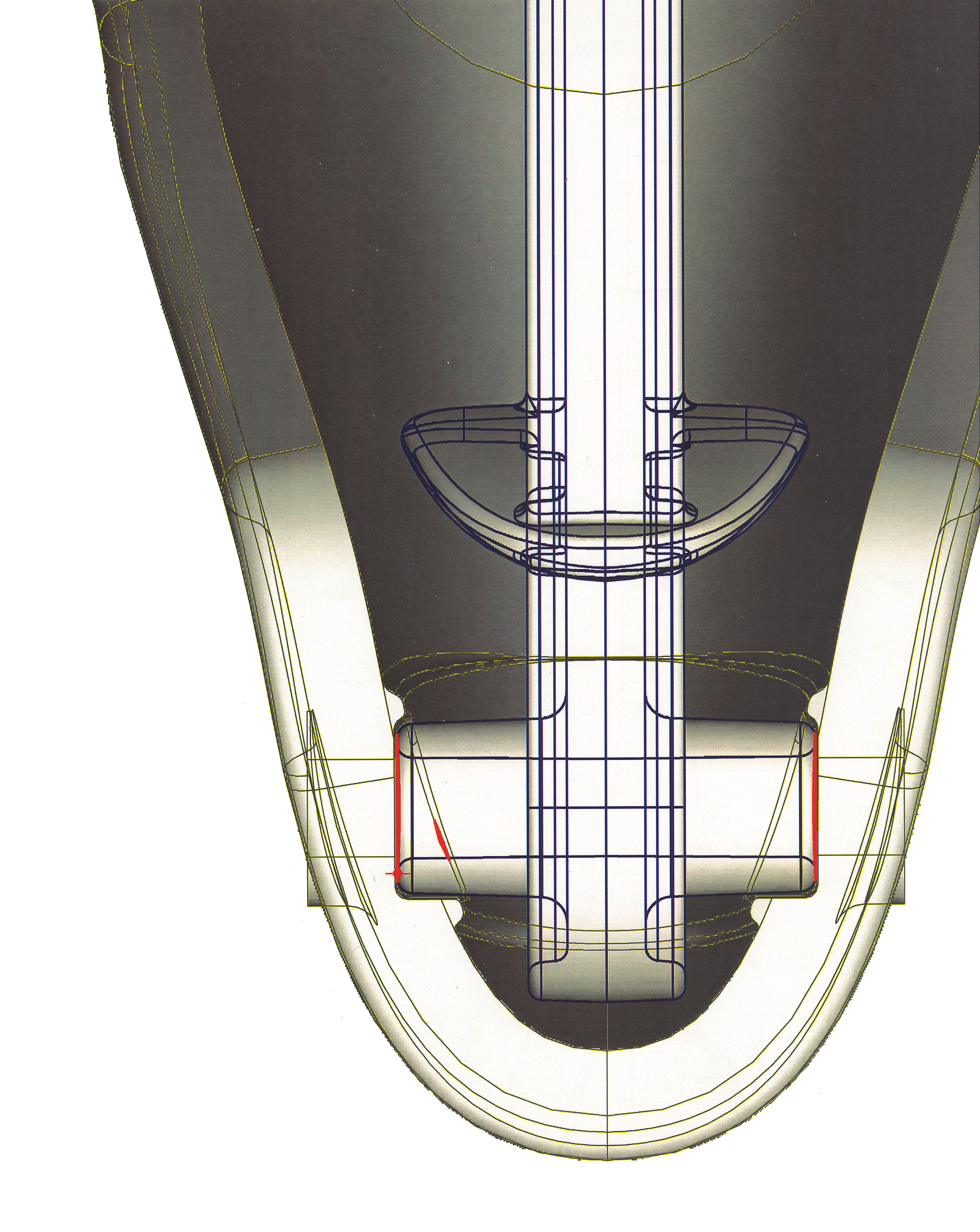
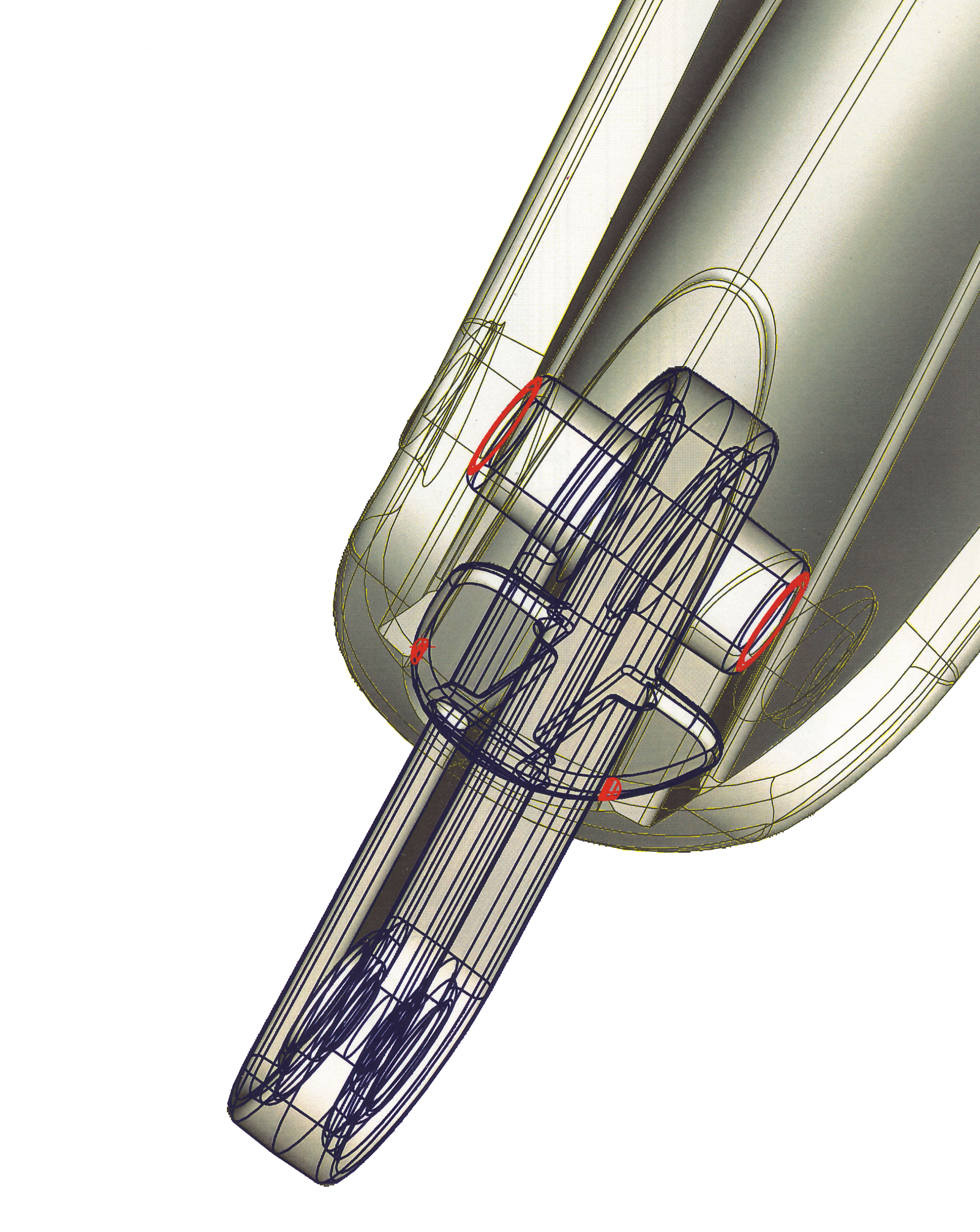
For this development phase, native Pro/ENGINEER part geometry was generated. An assembly of these parts, including mathematical relations from a derived equation of motion that allowed quick configuration changes, facilitated interference checks.
Industrial Design Model
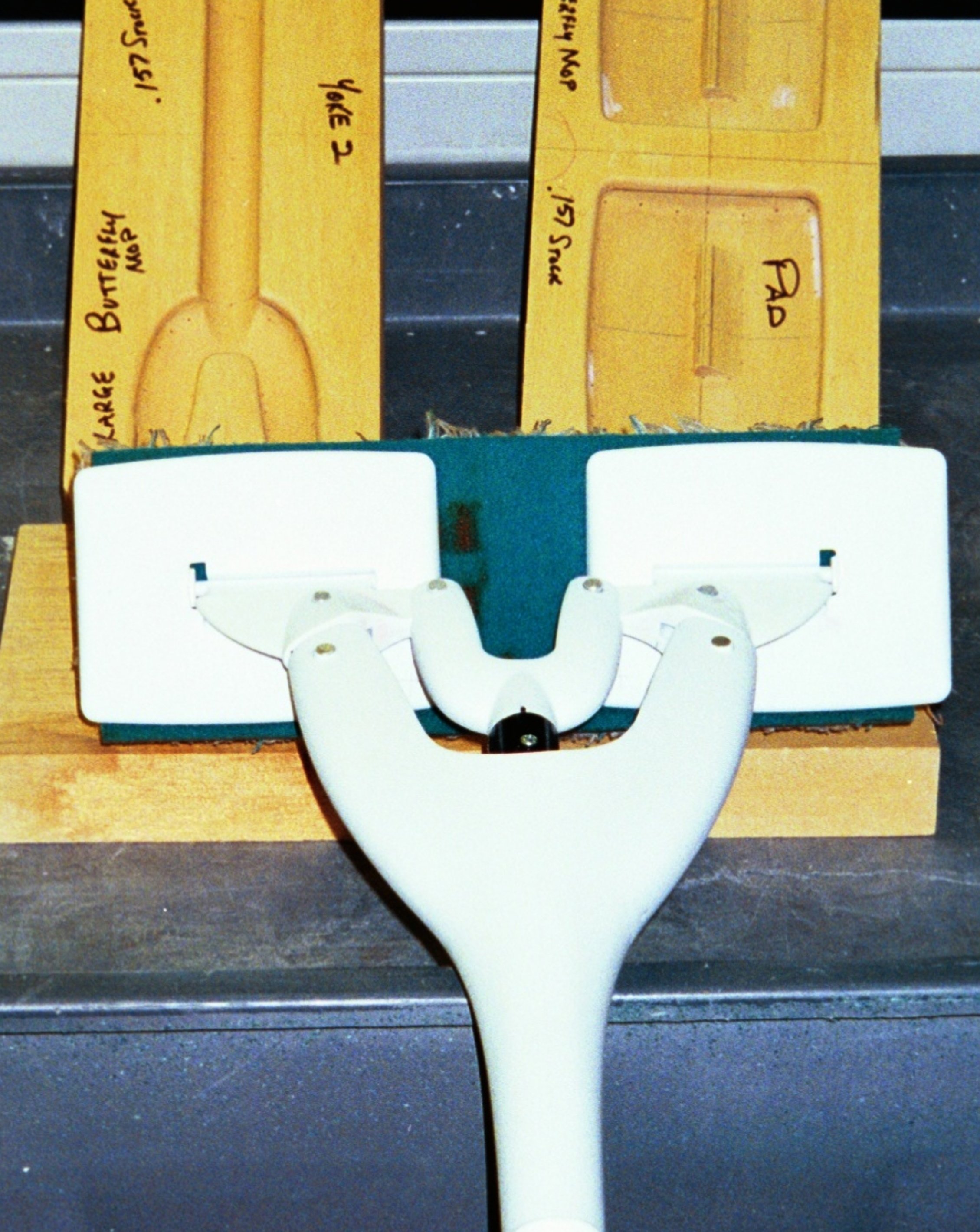
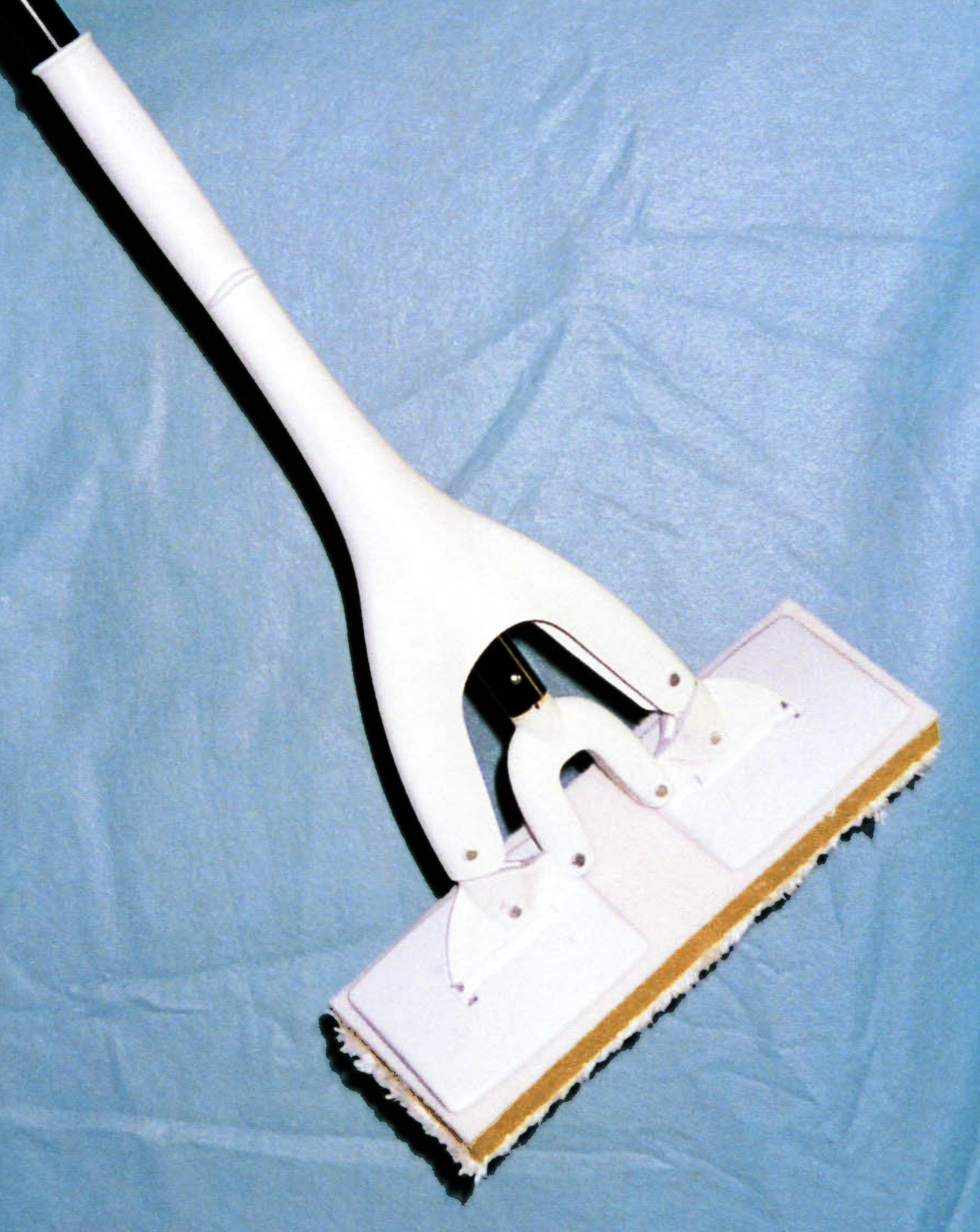
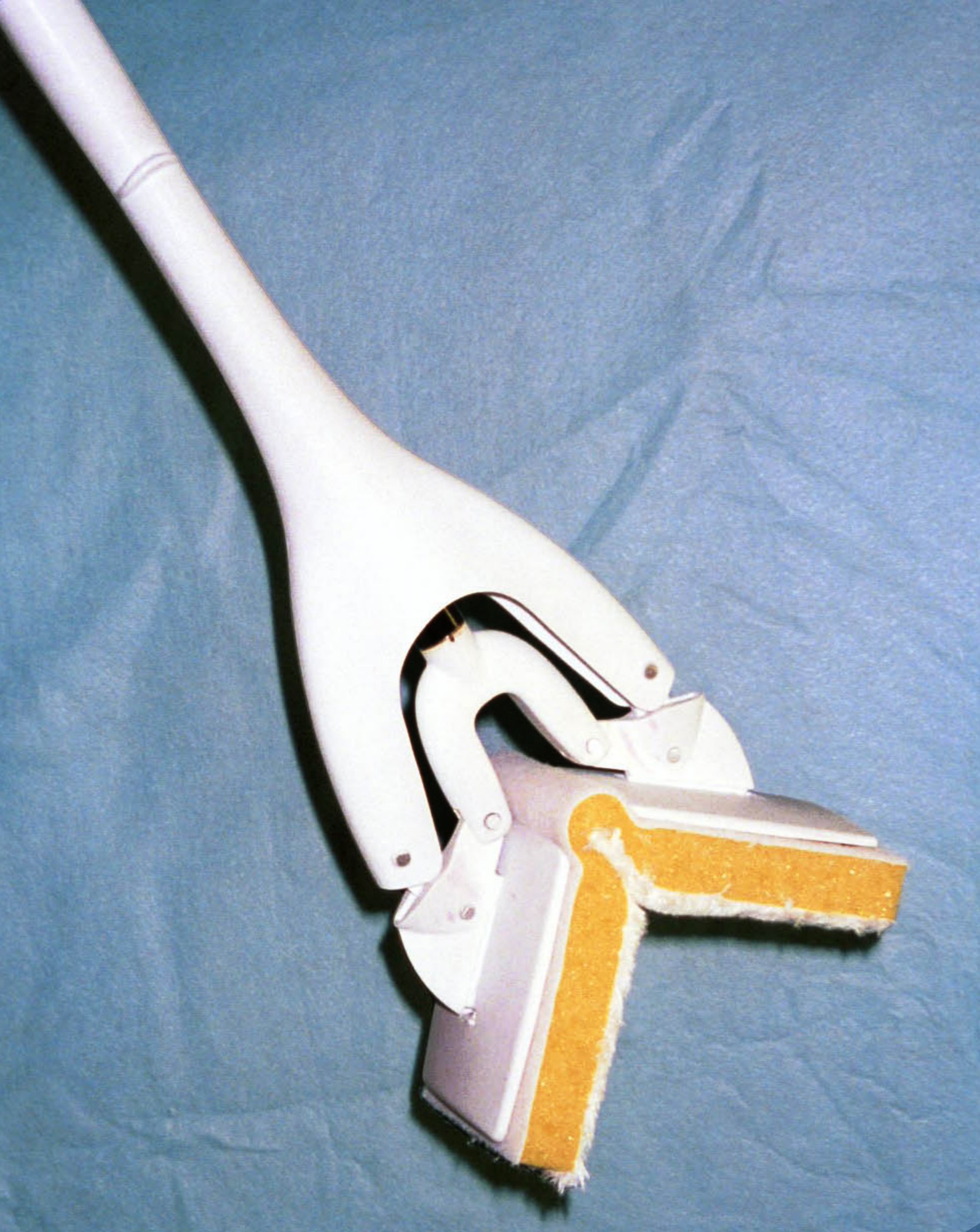
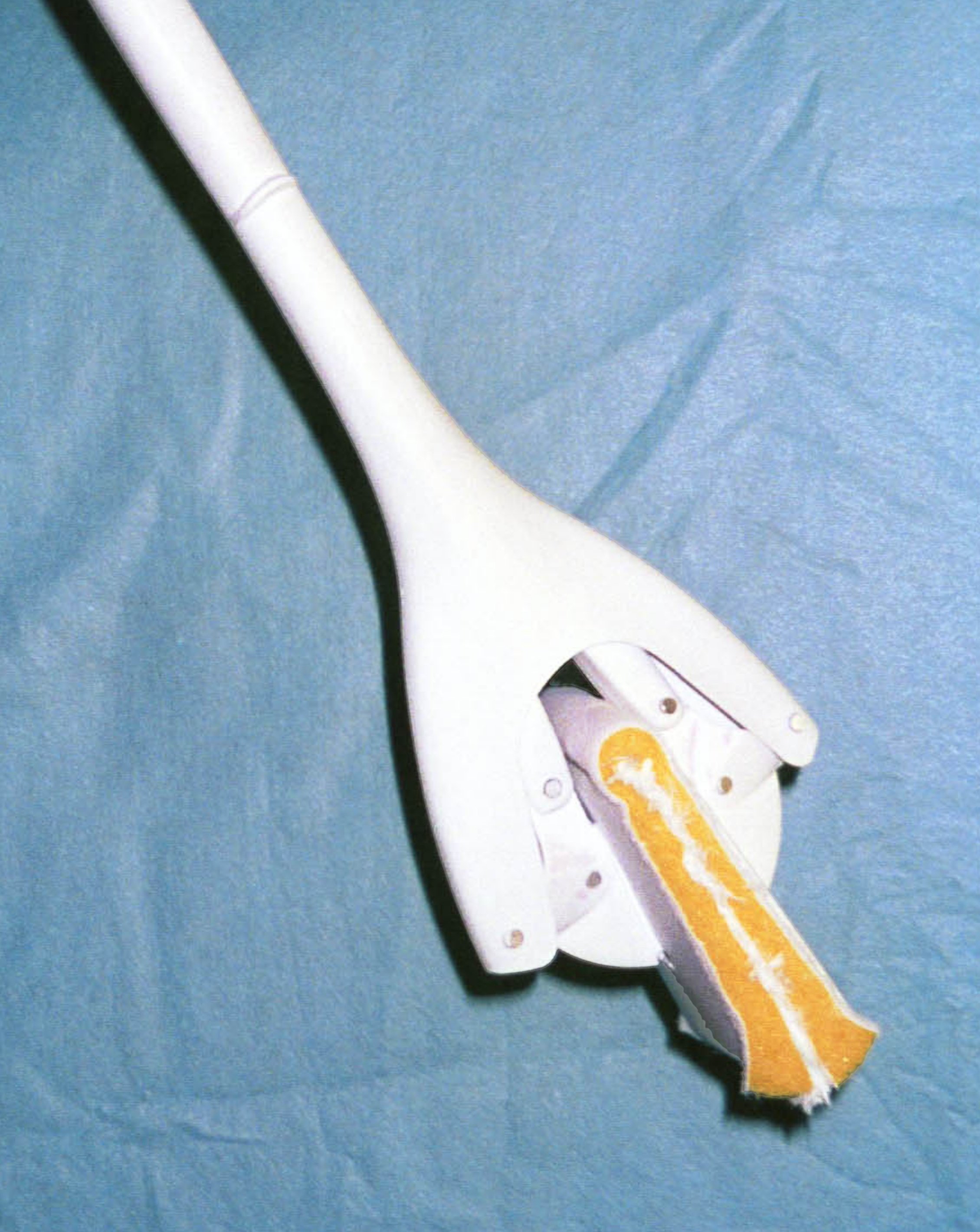
After a review and approval of the Final ID Concept, a functional model was fabricated which closely approximated the anticipated production unit’s geometry and materials. This early industrial design model functioned flawlessly, but due to corporate restructuring it would be years before the product finally entered production.